Low-level laser therapy in Canton, OH
Low-level laser therapy, also called cold laser therapy or photobiomodulation, uses specific wavelengths of light to support healing and ease pain in muscles, joints and soft tissue. At Belden Village Chiropractic and Wellness Center in Canton, OH, laser therapy starts with a full exam to see whether it fits your condition.
Reviewed by Dr. Brent Ungar, DC · Last reviewed [date]
- 40+ years in practice
- FDA-cleared laser device
- Care from a laser therapy educator
Low-level laser therapy at a glance
| What it is | A non-invasive light therapy, also called cold laser therapy or photobiomodulation, applied with a handheld device |
|---|---|
| May help with | Neck and back pain, shoulder and rotator cuff irritation, tendonitis, muscle strains and spasms, arthritis pain, fibromyalgia, sprains and soft tissue injuries |
| FDA status | The laser device we use is FDA cleared to temporarily reduce pain |
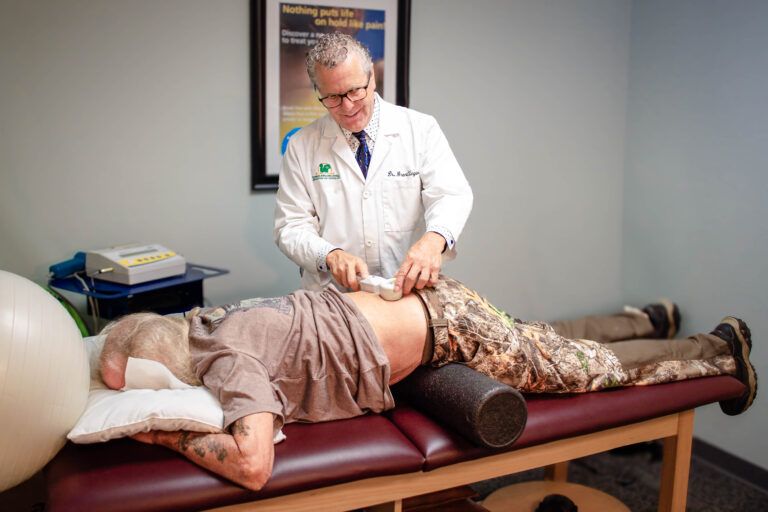
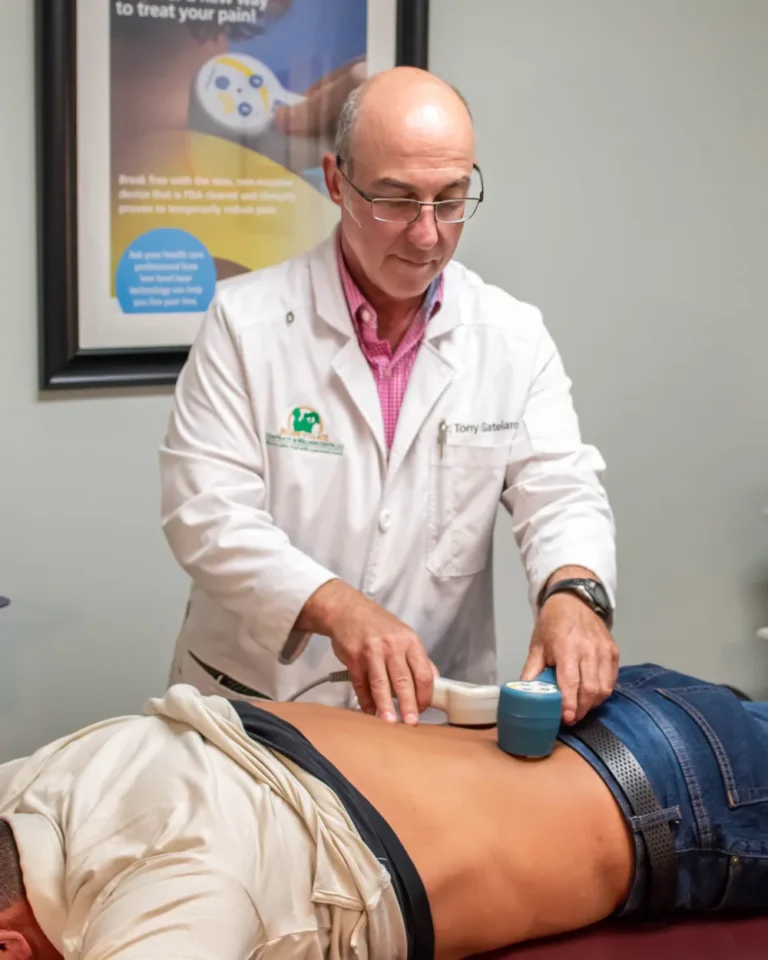
| How a session works | Your provider moves a handheld device over the treatment area while you sit or lie comfortably |
| Session length | A few minutes per treatment area |
| Plan length | Set after your exam; often a series of visits over several weeks |
| Comfort | Painless for most people; you may feel mild warmth or nothing at all |
| Referral needed? | [confirm with practice] |
| Insurance | Coverage varies by plan and diagnosis; our front office can review your benefits |
What is low-level laser therapy?
Low-level laser therapy is a non-invasive treatment that uses specific wavelengths of light to reach muscles, joints and other soft tissue. The goal is to reduce inflammation, improve local circulation and support tissue repair, which may ease pain. It uses no incisions, needles or medication.
The light is absorbed inside your cells, where it may boost the energy cells use to repair themselves. Unlike surgical lasers, a therapeutic laser does not heat or damage tissue. Research results vary by wavelength, dose and condition, and laser therapy often works best as part of broader care.
At our Canton office, we use an FDA-cleared low-level laser device, often combined with chiropractic adjustments, spinal decompression or massage therapy. Dr. Ungar has studied and taught laser therapy protocols, and your provider sets your treatment based on your exam.
Conditions laser therapy may help
Laser therapy is most often used for muscle, joint and soft tissue pain, from recent strains to long-lasting problems. Your exam decides whether it fits your situation.
- Neck and low back pain May ease pain and stiffness in the muscles and joints along the spine.
- Shoulder and rotator cuff irritation Used to calm irritated tendons and soft tissue around the shoulder.
- Tendonitis and bursitis May reduce inflammation in irritated tendons and the cushions around joints.
- Muscle strains, spasms and repetitive stress injuries May support repair of strained muscle and ease tightness from overuse.
- Arthritis pain Used to help manage joint pain and stiffness as part of broader care.
- Sprains, whiplash and soft tissue injuries Used after sports injuries, falls or auto accidents to support healing.
- Sciatica and carpal tunnel syndrome May help ease irritation where a nerve is under pressure.
- Fibromyalgia May help ease widespread muscle pain and tenderness as part of a broader care plan.
Is laser therapy right for me?
Often a good fit
- Muscle, joint or soft tissue pain
- You want to avoid medication or surgery
- You want a gentle option alongside other care
May not be a fit
- Pregnancy
- Areas with active cancer
- Open wounds, fever or an active infection near the area
Get urgent care first if
- You lose bladder or bowel control
- Numbness or weakness that is getting worse
- A hot, swollen joint with fever
- Severe pain after a major fall or crash
Your provider reviews your history, including any implants or pacemaker, before recommending it.
What to expect at our Canton office
Our typical process involves:
- Obtaining a thorough history of the problem and health history of the patient
- Performing a complete examination of the patient
- Obtaining any diagnostic tests (if necessary) to better understand the problem
- Discussing the diagnosis with you
- Reviewing the findings and treatment options with you
What a laser therapy session is like
Before
You stay in comfortable clothes with the treatment area uncovered. We protect your eyes before the laser is turned on.
During
Your provider moves a handheld device over the area for a few minutes. Most people feel nothing or a mild warmth, and many find it relaxing.
After
There is no downtime, so you can usually return to normal activity right away. Your plan may pair laser therapy with adjustments, spinal decompression or massage therapy.
How laser therapy compares to other options
Many people start with conservative care and move to other options if they need to. Your provider can help you weigh them.
| Option | Approach | Recovery time | Typical role |
|---|---|---|---|
| Low-level laser therapy | Non-invasive light, no needles or medication | No downtime | Early, conservative option, often combined with other care |
| Chiropractic adjustments and rehabilitation | Non-surgical, hands-on and exercise | Usually the same day | Conservative care, often combined |
| Pain medication | Pain relievers or anti-inflammatories, per your physician | No downtime; may have side effects | Short-term symptom relief |
| Injections or surgery | Minimally invasive or surgical | Short rest to longer recovery, per your physician | When conservative care has not helped or a serious problem needs it |
Wondering if this care is right for you?
Your laser therapy providers

Dr. Brent Ungar, DC
Chiropractic Physician | Certified Chiropractic Sports Physician | Laser Therapy Educator
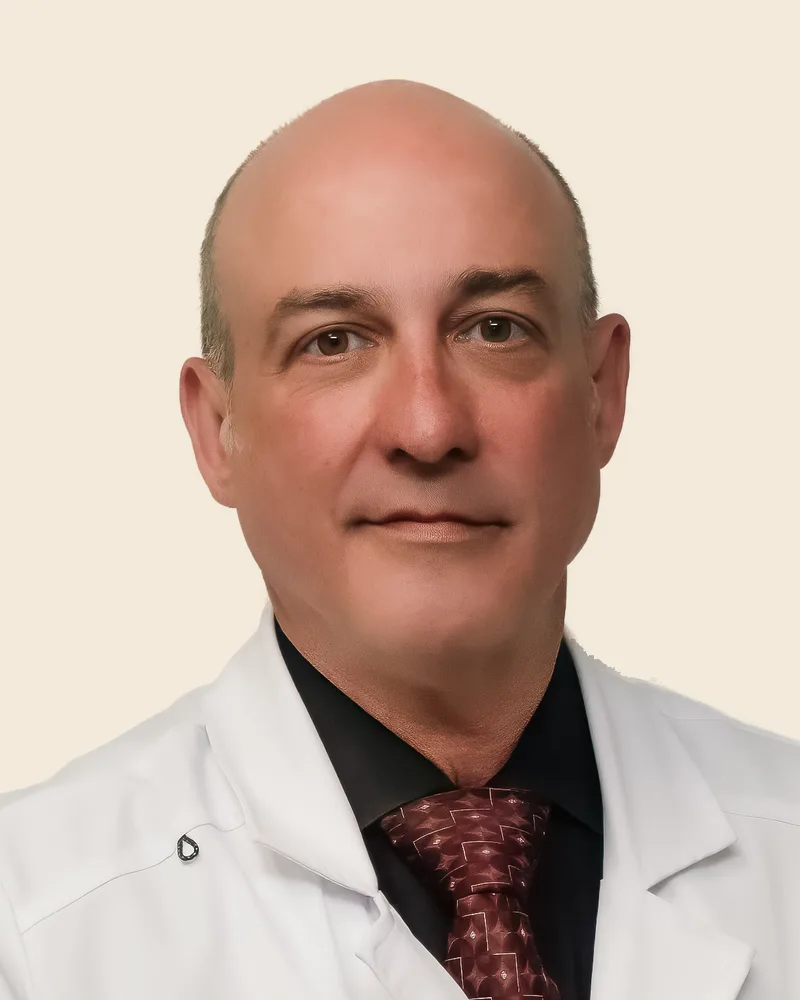
Dr. Anthony Gatelaro, DC
Chiropractic Physician | Over 30 Years of Experience
What patients say about our care
“They treat you like family. They know your name… they ask how you’re doing. And so, it’s a joy coming in every day and seeing the same faces.”
[Real de-identified patient feedback about laser therapy]
Laser therapy FAQs
No. Most people feel nothing or a mild warmth during treatment, and many find it relaxing.
A session usually takes a few minutes for each area being treated.
It depends on your condition and how you respond. Recent strains often need fewer visits than long-lasting problems, and your provider reviews your progress along the way.
Low-level laser therapy is generally considered safe with metal implants and pacemakers because it does not use radiation or heat that affects them. Your provider still reviews your health history before treatment.
Coverage varies by plan and diagnosis, and by whether laser therapy is billed with chiropractic care. Our front office can review your benefits and any options not covered by insurance.
A surgical laser uses high power to cut or heat tissue. A cold laser uses low-power light that does not heat or damage tissue, so treatment is painless and there is no recovery time.
Yes. Many patients receive laser therapy along with chiropractic adjustments, spinal decompression or massage therapy. Your provider builds a plan that fits your condition after your exam.
Belden Village Chiropractic and Wellness Center offers low-level laser therapy at 4200 Munson Street NW, Suite B, in Canton, near North Canton, Massillon and the Belden Village area.
Visit our Canton office
- Address
- 4200 Munson Street NW, Suite B, Canton, OH 44718
- Phone
- 330-493-0009
- Hours
- Mon–Thu: Dr. Ungar 7:45 a.m.–6 p.m.
Mon–Thu: Dr. Gatelaro 8 a.m.–6 p.m.
Fri–Sun: Closed - Parking
- [parking and entrance notes]
Patients visit us from Canton, North Canton and across Stark County.
Find out if our care fits your pain
Start with a full exam and a clear talk about your options. Call 330-493-0009 or send a request.