
Is Chiropractic Care Worth Trying After 12 Years of Headaches? One Patient’s Answer
If you have lived with the same headache pattern for over a decade, it is fair…

Published July 10, 2025 · Canton, OH
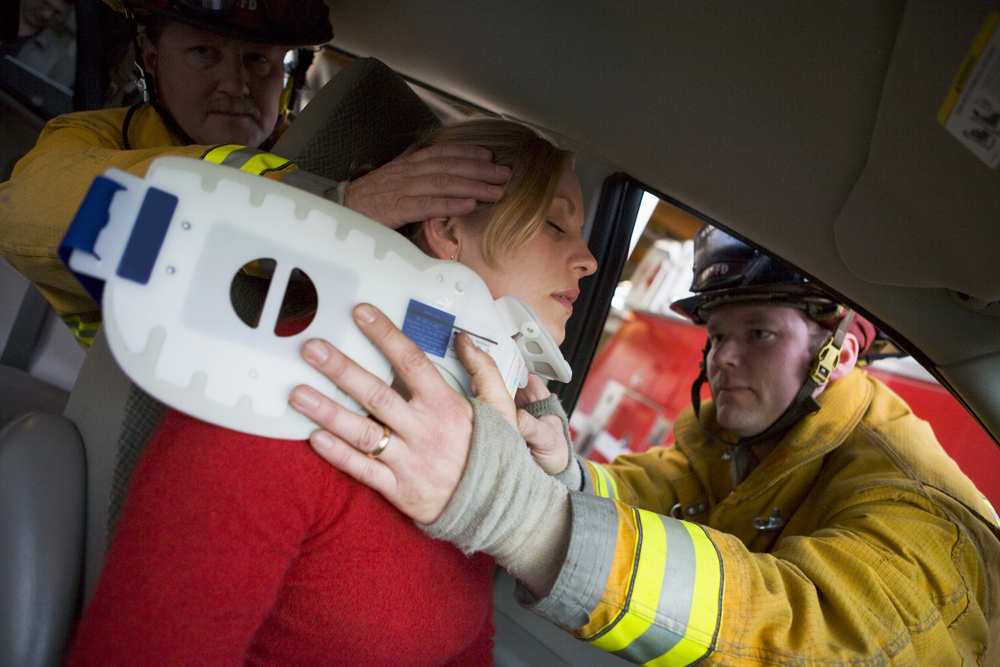
Have you ever thought about what your neck goes through during a car crash? A neck injury like whiplash can happen when your head is forcefully thrown backward and then forward—much like the motion of a cracking whip. While car accidents are a common cause, whiplash can also result from sports injuries, physical altercations, or even a bad fall.
Whiplash may start with a stiff neck or a headache, but for many people, it leads to lingering discomfort and chronic pain. Understanding how this injury occurs—and how your body responds—can help you identify symptoms early and take the necessary steps toward recovery.

Whiplash is more than just a sore neck. It’s a soft tissue injury that affects the muscles, ligaments, and nerves in your cervical spine (neck region). Common symptoms include:
Symptoms may not show up immediately. Some people start feeling pain or stiffness hours—or even days—after the incident.
Your neck is responsible for supporting the full weight of your head while allowing flexibility and movement. In a sudden impact, the neck is often unprotected. The cervical spine consists of vertebrae, discs, ligaments, and muscles, all working together to stabilize your head.
During a crash:
Even low-speed collisions can lead to significant injuries, making awareness and timely care crucial.
Here’s a step-by-step breakdown of how whiplash occurs during a crash:
This rapid sequence results in the pain and limited mobility many experience after a crash.
Whiplash affects both body and mind. You may notice:
Ongoing pain or emotional distress after a crash is common. Early treatment can help manage both the physical and psychological effects.
If you’ve been in an accident, don’t wait for symptoms to get worse. A medical evaluation typically includes:
These steps help ensure an accurate diagnosis and targeted treatment plan.
The sooner you seek care, the better your chances of a full recovery. Treatments may include:
Ignoring symptoms can allow acute pain to become chronic. The right care helps you recover faster—and protects against long-term issues.
If you’ve recently experienced a car accident, fall, or sports injury, don’t brush off neck pain. At Belden Village Chiropractic & Wellness Center, we specialize in diagnosing and treating whiplash injuries with personalized, evidence-based care.
Our experienced team understands the biomechanics of trauma and offers non-invasive, drug-free treatments designed to get you back to feeling your best. Whether you’re dealing with stiffness, chronic pain, or headaches, we’re here to help you heal—safely and naturally.
Don’t wait to get relief. Schedule your evaluation today and take the first step toward recovery.

This article is for general information only and is not medical advice. Talk with a provider about your own symptoms and care.
Our team can help you find the right next step. Call 330-493-0009.


Patients visit us from Canton, North Canton and across Stark County.